Join the Pao24 Volunteer Network
Sometimes one person can make a difference: someone who listens, translates, accompanies others, organizes practical help, or knows where to find support. Pao24 aims to connect people in Wiang Pa Pao and the surrounding area.
Volunteers must be 18 or olderVoluntary · Unpaid · No membership fee · Help according to your availability
Why are we building a volunteer network?
Pao24 is a private volunteer initiative that is still being developed. We want to help people facing difficult everyday situations feel less alone and find relevant information, contacts, or practical support more easily.
This does not only require people with medical training. Language skills, local knowledge, patience, organizational skills, or simply a willingness to listen respectfully can also be valuable. No one needs to be able to do everything. What matters is being honest about what you can offer and where your limits are.
How can you help?
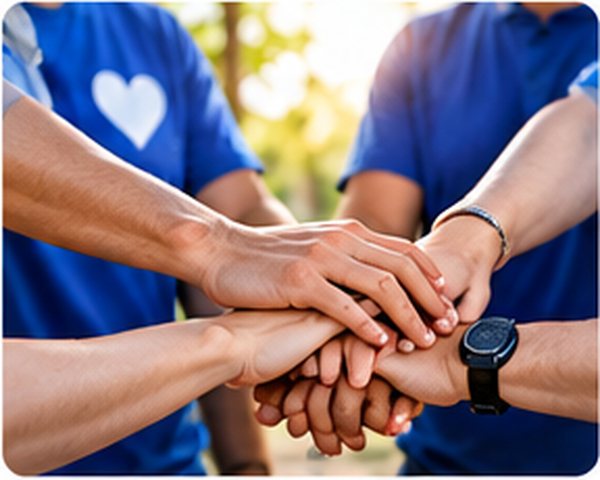
Together, we will identify tasks that fit your skills, experience, and available time. Possible areas include:
These are examples, not a promise that every task will always be available. What is actually possible depends on available volunteers, their skills, and the safety of each situation.
Who can volunteer?
- You are at least 18 years old. Participation in the Pao24 volunteer network is limited to adults.
- You treat others kindly, respectfully, and responsibly.
- You are reliable and honest about when you can and cannot help.
- You respect privacy, personal boundaries, cultural differences, and different ways of life.
- You can listen without judging others or imposing your opinions on them.
- You understand that volunteering is voluntary and no one is expected to be available all the time.
- You follow agreed rules on safety, communication, and confidentiality.
- You are willing to assess your abilities realistically and involve experienced volunteers or professionals when needed.
A medical profession or a completed first-aid course is not required for every task. We will first discuss what kind of volunteering makes sense for you. Some tasks may require appropriate training or qualifications.
First aid and training
First aid for physical emergencies
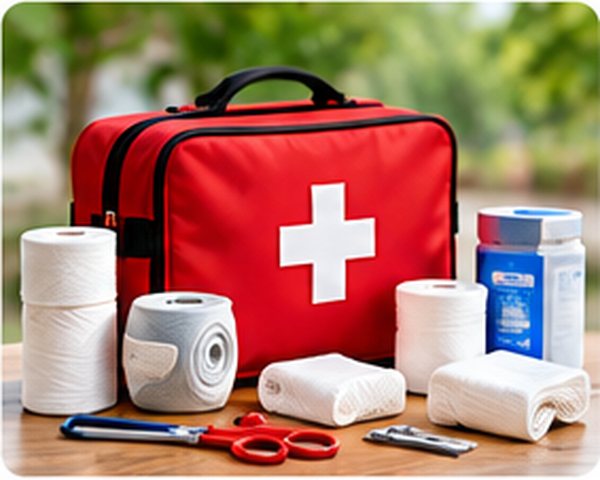
A practical first-aid course is strongly recommended, especially if you want to help in emergencies. Useful training topics include:
- Personal safety and assessing an emergency situation
- How to contact emergency responders and communicate clear information
- Recognizing unconsciousness and breathing problems
- Basics of cardiopulmonary resuscitation (CPR) and using an automated external defibrillator (AED)
- Responding to bleeding, injuries, falls, and other common emergencies
- What first aiders can do and when they should wait for professional help
This page does not replace hands-on training. Learn emergency procedures through a recognized training provider and refresh your skills regularly.
Psychological first aid
People may experience a crisis because of fear, grief, loneliness, feeling overwhelmed, or other distressing events. It can help to remain calm, listen attentively, take the person seriously, and support them in reaching appropriate help.
Training in psychological first aid can help volunteers recognize distress, communicate respectfully, maintain boundaries, and know when professional support is needed. Volunteers do not diagnose conditions, provide psychotherapy, or attempt to manage a crisis alone.
Support during suicide-related crises

We want volunteers to know how to respond when someone talks about suicidal thoughts or is experiencing an acute mental health crisis. Appropriate training and clear procedures are important. Volunteers should not take sole responsibility; they should take the situation seriously, remain calm and respectful, and involve qualified help.
How much do courses cost?
Where possible, we want to find and share information about reputable, suitable free training. Whether a course is free depends on the provider, location, and course. We therefore cannot promise that every type of training is free. You will not be required to book a paid course or buy specific equipment just to join the network. Any qualifications needed for a particular task must be made clear in advance.
Guidelines for responsible helping

- Put your own safety first. Do not enter dangerous places or situations or expose yourself to unnecessary risk. If the situation is unclear, keep your distance and call for appropriate help.
- Know your limits. Take on only tasks you feel qualified to do. Do not perform medical procedures you have not learned or cannot do safely.
- Involve professional help. For serious medical problems, immediate danger, or a crisis you cannot assess safely, contact the relevant professionals or emergency responders.
- Listen calmly and without judgment. Let the person finish speaking, take their concerns seriously, and ask what support they would like. Do not judge, shame, or pressure them.
- Do not promise what you cannot deliver. You can say you want to help, but you do not have to solve every problem and cannot guarantee immediate assistance.
- Respect personal choice. Explain what you can offer and respect the person’s decision unless there is immediate danger or another compelling safety reason.
- Protect personal information. Do not share names, phone numbers, messages, photos, or personal stories without consent. Do not post information about assistance situations on social media.
- Share only necessary information. If information must be shared for safety or to connect someone with professional help, limit it to what is necessary and use agreed communication channels.
- Be transparent. Whenever possible, clarify in advance what help is wanted, what you will do, and when you need to leave. Avoid misunderstandings about your role.
- Do not work under pressure. You may decline or stop a task or ask for support if you feel unsafe or the situation exceeds your abilities.
- Do not act on behalf of Pao24 without authorization. Do not make commitments, imply official authority, or publish statements or photos on behalf of the network without prior agreement.
- Communicate after a difficult situation. If you have taken on a task, share necessary information with the agreed contact person. If a situation affects you, seek support and take a break.
Voluntary, flexible, and no membership fee
- Volunteering is voluntary and unpaid.
- There is no fixed minimum number of hours. You decide when and how much time you can offer.
- There is no membership fee.
- You do not have to buy equipment at your own expense or book a particular course.
- You can limit your involvement to tasks that suit your skills and availability.
- Before a specific task, we will clarify responsibilities, safety, expectations, and communication methods together.
What happens after you express interest?
- Learn about volunteering. Read the tasks, requirements, and safety and confidentiality guidelines on this page.
- Complete the Pao24 eligibility test. The online test checks your understanding of the basic tasks, boundaries, and safety rules for volunteering.
- Submit your application. After passing the test, you can complete and submit the application form.
- We learn about your availability and skills. We will discuss where you would like to help, which languages you speak, what experience you have, and which tasks interest you.
- We clarify expectations and suitable tasks. This includes availability, confidentiality, personal safety, responsibilities, and any required qualifications.
- Specific volunteering arrangements come afterward. Passing the test or submitting an application does not guarantee acceptance or oblige you to take on specific assignments.
As the network is still being developed, procedures and services may change. We aim to communicate openly about what is currently possible and what still needs to be organized.
Before applying: Pao24 eligibility test
Anyone who wants to volunteer with Pao24 must complete a short online eligibility test before applying. It checks understanding of personal safety, confidentiality, responsible helping, and the limits of the volunteer role.
The test opens on a separate page. The test file should be uploaded to the same folder as this page.
Would you like to volunteer?
If you are at least 18 years old, please read the information on this page first and complete the Pao24 eligibility test. After passing the test, you can contact us. Please briefly tell us:
- Which area of Wiang Pa Pao or the surrounding region you could help in
- Which languages you speak
- What experience or skills you have, such as first aid, translation, organization, or local knowledge
- What kinds of tasks interest you and approximately how much time you can offer
Please do not include sensitive health data or confidential information about other people in your first message. We can then discuss possible tasks and the rules for volunteering without obligation.
Contact us on WhatsApp Call: +66 96 123 7292 Message us on LINE · ID: 38438565An inquiry does not mean you have been accepted. We will first discuss expectations, possible tasks, and safe boundaries for volunteering.